
Showing 1–6 of 52 results

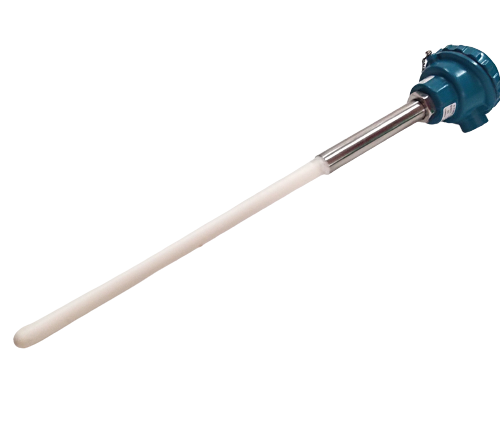
Thermocouple Manufacturer in India for Industrial Temperature Measurement
Autologic Controls is a trusted Thermocouple Manufacturer in India supplying customized industrial temperature sensors for furnaces,boilers, process plants, machinery and automation systems.
As an experienced Thermocouple Manufacturer in Ahmedabad,we manufacture thermocouple assemblies according to the required sensor type, temperature range, sheath material, probe length, process connection and operating environment.
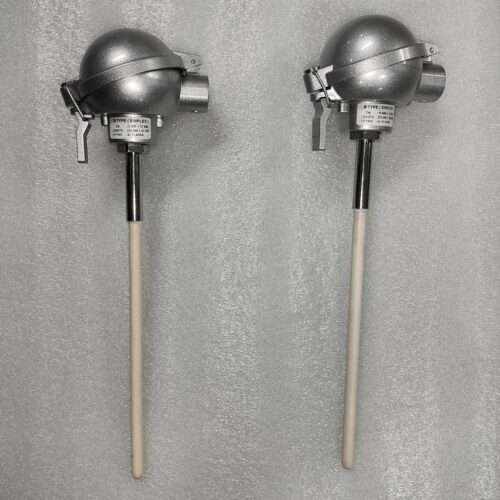
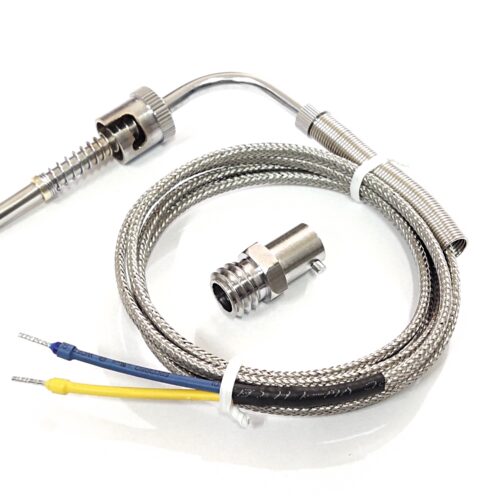
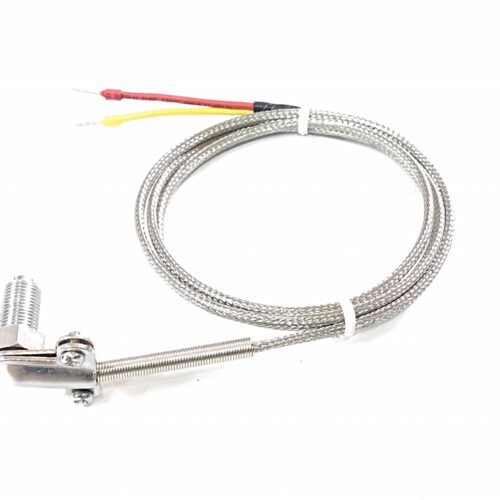
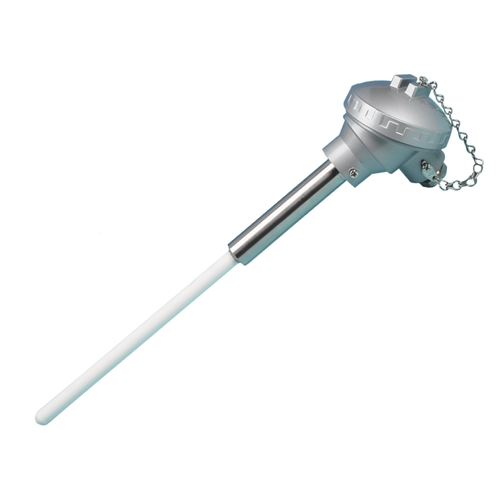
Our product range includes K, J, T, E, N, R, S and B-type thermocouples,mineral-insulated probes, head-mounted sensors, cable-type sensors and high-temperature ceramic assemblies.
What Is a Thermocouple?
A thermocouple is an industrial temperature sensor made from two
dissimilar metal conductors joined at a sensing junction.
When the measuring junction and reference junction are at different temperatures, the sensor generates a small temperature-dependent voltage.
A professional Thermocouple Manufacturer in India
designs the sensor so the sensing element, sheath, connection and cable
match the process requirements.
A project-focused Thermocouple Manufacturer in Ahmedabad can customize the probe diameter, insertion length, mounting connection,terminal head and response characteristics for the application.
Industrial Thermocouple Types Available
Different thermocouple types use different alloy combinations, which
influence their temperature range, sensitivity, stability and suitability
for specific process atmospheres.
As a customized Thermocouple Manufacturer in India,
Autologic Controls can supply commonly used base-metal and noble-metal
thermocouple types.
As a local Thermocouple Manufacturer in Ahmedabad,
our team can also help customers select an appropriate sensor type for existing equipment and new machinery.
| Type | Alloy Combination | Typical Range | Common Applications |
|---|---|---|---|
| K | Nickel-Chromium / Nickel-Aluminium | Broad industrial temperature range |
Furnaces, ovens, HVAC systems, plastics, food processing and machinery |
| J | Iron / Constantan | Moderate industrial temperatures | Plastics, older equipment, machinery and general process heating |
| T | Copper / Constantan | Low and moderate temperatures | Food processing, refrigeration, HVAC and laboratory applications |
| E | Nickel-Chromium / Constantan | Low to moderate temperatures | Industrial testing, cryogenic systems and process measurement |
| N | Nicrosil / Nisil | High-temperature industrial use | Turbines, furnaces and applications requiring improved stability |
| R | Platinum-Rhodium / Platinum | High-temperature measurement | Kilns, furnaces, glass and ceramic manufacturing |
| S | Platinum-Rhodium / Platinum | High-temperature measurement | Steel, glass, laboratory and calibration applications |
| B | Platinum-Rhodium / Platinum-Rhodium | Very high temperatures | Metal processing, ceramic kilns and specialized furnaces |
Customized Thermocouples for Industrial Processes
Every industrial temperature-measurement point has different thermal,
mechanical and environmental requirements.
A project-focused Thermocouple Manufacturer in India can manufacture sensors around:
- Thermocouple calibration type
- Required operating temperature
- Probe diameter and insertion length
- Sheath and protection-tube material
- Grounded, ungrounded or exposed junction
- Head-mounted or cable-type construction
- Threaded, flanged or compression connection
- Straight or angled probe design
- Mineral-insulated construction
- Flexible extension cable
- Terminal-head type
- Weatherproof or flameproof enclosure
- Response-time requirement
- Process pressure
- Chemical and corrosion exposure
- Vibration conditions
Choosing an experienced Thermocouple Manufacturer in Ahmedabad gives OEMs, plant engineers and maintenance teams direct access to technical discussions, dimensional customization and replacement-sensor support.
Thermocouple Junction Options
The sensing-junction construction affects response time, electrical
isolation and durability.
Grounded Junction
In a grounded thermocouple, the measuring junction is connected to the metal sheath.
This construction can provide a faster thermal response but does not
electrically isolate the junction from the sheath.
Ungrounded Junction
An ungrounded junction is electrically isolated from the sheath.
This configuration may help reduce grounding or electrical-noise issues in suitable applications.
Exposed Junction
An exposed junction places the sensing element directly in contact with the measured environment.
It can provide a very fast response but offers less mechanical and
environmental protection.
A knowledgeable Thermocouple Manufacturer in India
should recommend the junction style after reviewing response time,
process conditions and connected instrumentation.
A technically capable Thermocouple Manufacturer in Ahmedabad can also match a replacement sensor to the existing controller,transmitter and wiring arrangement.
Sheath and Protection-Tube Materials
The sheath protects the thermocouple element from mechanical damage,
oxidation, corrosion and process contamination.
- Stainless steel
- SS 304
- SS 310
- SS 316
- SS 321
- Inconel
- Ceramic protection tubes
- Silicon carbide protection tubes
- Application-specific alloys
A dependable Thermocouple Manufacturer in India
should not recommend a sheath only from the maximum temperature.
An application-focused Thermocouple Manufacturer in Ahmedabad should also review process atmosphere, corrosion, abrasion, vibration and required service life.
Thermocouple Construction Options
Autologic Controls can manufacture thermocouple assemblies in multiple mechanical styles for process plants, machinery manufacturers and
maintenance applications.
- Bayonet thermocouples
- Washer-type thermocouples
- Bolt-type thermocouples
- Ring-type thermocouples
- Nozzle thermocouples
- Surface thermocouples
- Bearing thermocouples
- Furnace thermocouples
- Mineral-insulated thermocouples
- Head-mounted thermocouples
- Cable-type thermocouples
- Spring-loaded thermocouples
- Exhaust-gas thermocouples
- High-temperature ceramic thermocouples
- Customized probe assemblies
A professional
Thermocouple Manufacturer in India
can configure these assemblies for new installations, OEM production,
retrofit projects and replacement requirements.
As a responsive Thermocouple Manufacturer in Ahmedabad, Autologic Controls can support sample-based development and drawing-based manufacturing.
Key Thermocouple Features
- Wide temperature-measurement capability
- Fast-response options
- Durable industrial construction
- Multiple calibration types
- Customized insertion lengths
- Replaceable sensing elements
- Different process connections
- Armoured or flexible cables
- Weather-resistant terminal heads
- Flameproof head options
- Ceramic protection for high temperatures
- Corrosion-resistant sheath options
- Single or duplex elements
- Compatibility with controllers and transmitters
- Custom cable termination and connectors
Head-Mounted and Cable-Type Thermocouples
Head-Mounted Thermocouples
Head-mounted sensors provide a terminal enclosure at the top of the
probe.
Depending on the design, the head can contain a terminal block or
temperature transmitter.
Cable-Type Thermocouples
Cable-type sensors use flexible insulated leads and can suit machinery, bearings, heated surfaces, plastic-processing equipment and confined installations.
A custom Thermocouple Manufacturer in India
can provide different cable lengths, insulation materials, connectors
and terminations.
A nearby Thermocouple Manufacturer in Ahmedabad
can also assist customers who need dimensions copied from an existing
sensor.
Thermocouples for Furnaces and High-Temperature Equipment
Furnaces, kilns, ovens and heat-treatment systems require sensors that can withstand elevated temperatures, thermal cycling and harsh process atmospheres.
- Type K or Type N assemblies
- Type R, S or B noble-metal thermocouples
- Ceramic protection tubes
- Inconel sheaths
- Double protection tubes
- Flanged process connections
- Heavy-duty terminal heads
- Replaceable sensing elements
A specialized Thermocouple Manufacturer in India
can match the calibration type and protection assembly to the furnace temperature and atmosphere.
An experienced Thermocouple Manufacturer in Ahmedabad can also support urgent replacement requirements for kilns, ovens and heat-treatment equipment.
Thermocouples for Machinery and Surface Measurement
Industrial machinery may require temperature monitoring for bearings, dies, barrels, moulds, motors, gearboxes and heated surfaces.
- Bayonet probes
- Spring-loaded probes
- Washer sensors
- Ring sensors
- Magnetic surface sensors
- Bolt-mounted sensors
- Bearing temperature probes
- Flexible cable sensors
A specialized
Thermocouple Manufacturer in India
can adapt the probe shape and mounting arrangement to the equipment.
An experienced Thermocouple Manufacturer in Ahmedabad can manufacture replacement assemblies using the customer’s sample,drawing or dimensional information.
Industries We Serve
- Pharmaceutical manufacturing
- Chemical-processing plants
- Textile machinery
- Plastic and rubber processing
- Food and beverage production
- Packaging machinery
- Ceramic and glass industries
- Steel and metal processing
- Furnaces and heat-treatment plants
- Boilers and steam systems
- Power-generation facilities
- Oil and gas processes
- HVAC systems
- Automotive equipment
- Cement plants
- Paper and pulp mills
- Water-treatment facilities
- Laboratories
- Industrial automation systems
- OEM machinery
How to Select the Right Thermocouple
Choosing a suitable thermocouple requires more than selecting a maximum
temperature.
- Define the minimum and maximum temperature
- Identify the process medium or atmosphere
- Select the required thermocouple type
- Choose the sheath or protection-tube material
- Confirm probe diameter and insertion length
- Define the required response time
- Check operating pressure
- Select the mounting connection
- Choose head-mounted or cable construction
- Confirm cable length and insulation
- Select grounded or ungrounded junction
- Choose single or duplex sensing elements
- Confirm controller or transmitter compatibility
- Review the installation-area classification
- Confirm the required quantity
A qualified Thermocouple Manufacturer in India
can use this information to develop a suitable sensor configuration.
Working with a Thermocouple Manufacturer in Ahmedabad can simplify technical communication for Gujarat-based plants,contractors and machine builders.
Design and Manufacturing Process
1. Requirement Review
The team reviews the application, temperature range, process medium,
probe dimensions, mounting method and electrical connection.
2. Sensor-Type Selection
The appropriate K, J, T, E, N, R, S or B thermocouple type is selected according to the operating conditions.
3. Material Selection
The sheath, protection tube, cable insulation, terminal head and process connection are selected.
4. Mechanical Configuration
Probe length, diameter, thread, flange, compression fitting and special mounting details are finalized.
5. Sensor Assembly
The sensing element, sheath, insulation, terminals and connection
components are assembled.
6. Electrical Verification
Polarity, continuity, insulation and output response are checked
according to the confirmed scope.
7. Dimensional Inspection
Probe dimensions, process connections and cable details are verified
before dispatch.
8. Documentation and Supply
Applicable product details, drawings, identification and test
information can be supplied according to the order requirements.
Information Required for a Thermocouple Quotation
- Thermocouple calibration type
- Required temperature range
- Process application
- Sheath material
- Probe diameter
- Probe and insertion length
- Process connection
- Junction type
- Single or duplex element
- Head or cable construction
- Cable type and length
- Connector requirement
- Operating pressure
- Process atmosphere
- Required quantity
- Site location
- Existing sample or drawing
- Special documentation requirements
Providing complete information helps the Thermocouple Manufacturer in India prepare the correct construction and commercial quotation.
It also helps the Thermocouple Manufacturer in Ahmedabad avoid dimensional mismatches when manufacturing replacement sensors.
Why Choose Autologic Controls?
- Ahmedabad-based manufacturing
- More than 50 thermocouple variants
- K, J, T, E, N, R, S and B-type options
- Customized probe dimensions
- Multiple sheath materials
- Head-mounted and cable-type designs
- Surface and insertion probes
- Single and duplex options
- High-temperature protection assemblies
- Custom process connections
- OEM and replacement-sensor support
- Pan-India supply
- Application-focused technical discussions
- Project-specific quotations
Choosing a responsive Thermocouple Manufacturer in Ahmedabad can simplify local coordination, sample evaluation and urgent replacement-sensor requirements.
Frequently Asked Questions
1. What does a thermocouple do?
A thermocouple measures temperature by producing a small voltage when its sensing junction and reference junction are at different
temperatures.
2. Which thermocouple type should I use?
The correct type depends on the temperature range, process atmosphere, required stability, response time and sensor construction.
3. Can thermocouples be customized?
Yes. Probe length, diameter, sheath, process connection, cable, terminal head, junction style and sensing-element type can be customized.
4. What is the difference between grounded and ungrounded sensors?
A grounded junction is connected to the sheath and usually responds
faster. An ungrounded junction is electrically isolated from the sheath.
5. Are high-temperature thermocouples available?
Yes. High-temperature assemblies can use suitable calibration types,
protective sheaths and ceramic tubes.
6. Can you manufacture a sensor from an existing sample?
Yes. A replacement sensor can be developed from a sample or dimensional drawing when the materials, calibration and operating conditions are confirmed.
7. Which industries use thermocouples?
Thermocouples are used in furnaces, boilers, machinery, chemical plants,pharmaceutical units, food processing, plastics, textiles, power plants, HVAC and industrial automation.
8. What details are needed for pricing?
Share the calibration type, temperature range, probe dimensions, sheath material, process connection, cable length, junction style, quantity and application.
Request a Customized Industrial Thermocouple
Share your process temperature, atmosphere, probe dimensions, sheath material, mounting connection, cable requirement and quantity.
Our temperature-sensor team will review the application and prepare a project-specific proposal for a new or replacement thermocouple assembly.
Frequently Asked Questions
What is a thermocouple and how does it work?
A thermocouple is a temperature sensor made of two dissimilar metal wires joined at one end. When the joined end (hot junction) is exposed to heat, it generates a small voltage proportional to the temperature difference — a phenomenon called the Seebeck effect. This voltage is converted to a temperature reading using IEC 60584 calibration tables. Thermocouples are self-powered, fast-responding, and measure temperatures from -200°C to 1750°C depending on the type.
What are the different types of thermocouples and which one should I use?
The most common types are K, J, T, E, N, R, S, and B — each using different metal alloys for different temperature ranges. Type K (−200°C to 1260°C) is the most widely used for general industrial applications. Types R, S, and B use platinum-rhodium alloys for high-temperature applications above 1000°C such as kilns and furnaces. Selection depends on your temperature range, process environment, and accuracy requirements.
What is the difference between a thermocouple and an RTD (PT100)?
Thermocouples work on the Seebeck voltage effect and cover a wider range (up to 1750°C) — they are faster, more rugged, and less expensive. RTDs measure change in electrical resistance and are more accurate and stable but only up to around 600°C. For high-temperature applications, thermocouples are the standard choice. For precision measurement below 600°C — such as in pharmaceutical or laboratory settings — RTDs are often preferred.
What is a mineral insulated (MI) thermocouple and when is it used?
A mineral insulated thermocouple has thermocouple wires surrounded by compressed magnesium oxide (MgO) insulation inside a metal sheath. This construction makes it highly resistant to vibration, pressure, moisture, and mechanical shock. MI thermocouples are preferred for high-vibration environments like compressors and pumps, high-pressure process lines, steam applications, and anywhere a standard thermocouple would be too fragile or too slow to respond.
Do I need a thermowell with my thermocouple?
A thermowell is required when the process is pressurized and the thermocouple must be replaceable while the process is running, when the process medium is corrosive and could damage the sensor sheath, or when high fluid velocity could cause mechanical damage to a bare sensor. For atmospheric ovens or furnaces where the sensor can be replaced during shutdown, a thermowell is optional.